
https://www.asorry.com/the-ultimate-guide-to-puma-classics-heritage-versatility-and-style/
From skate parks to basketball courts, from punk concerts to hip-hop streets, these shoes have witnessed more than half a century of youth culture evolution.
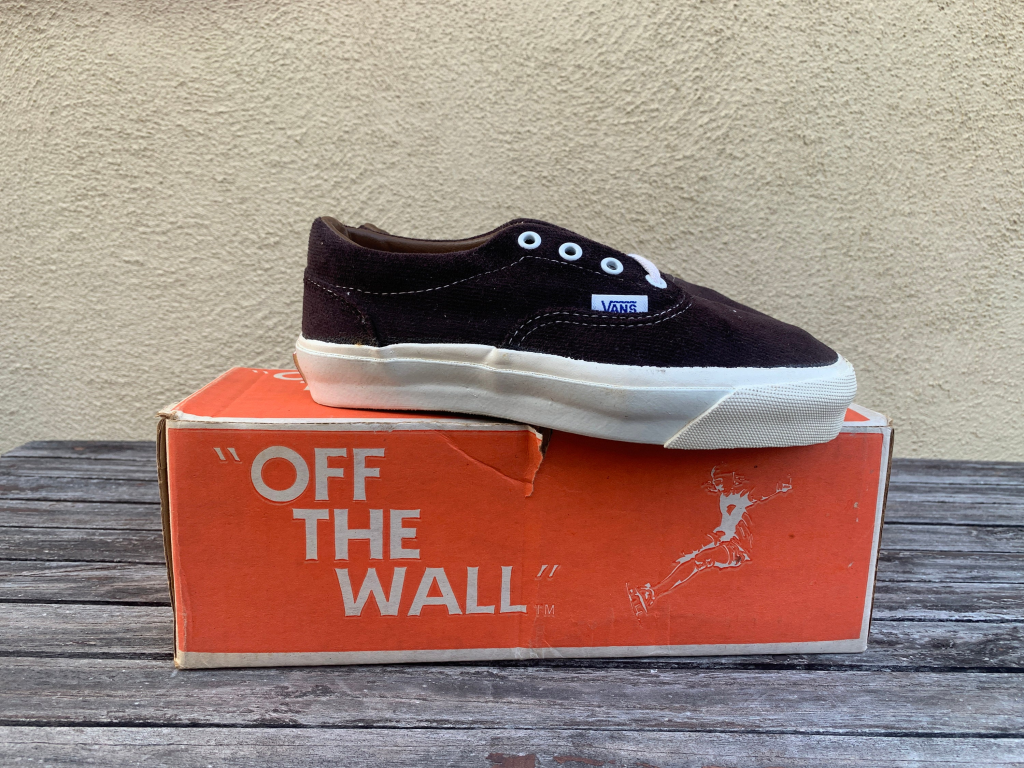
On the streets of California in the 1970s, a group of skateboarding teenagers showcased their newly created “Off The Wall” trick on Venice Beach, wearing VANS Era shoes. Meanwhile, across the Atlantic, on a basketball court, athletes raced across the hardwood floors in PUMA Clyde sneakers. Whether it’s VANS’ skateboarding tradition or PUMA’s basketball heritage, they together chronicle the legend of the evolution of street sneaker culture .
These two seemingly unrelated scenes together paint a picture of the evolution of street culture. From Clyde to Slip-On, PUMA and VANS not only manufacture shoes, but also define street style in different eras.
01 The Rise of Street Culture
In the latter half of the 20th century, athletic shoes experienced significant development and have now become a standard and essential footwear style to support the steps of men, women, and children of all ages.
Those who created this miracle include now household names like VANS (founded in 1966) and PUMA (founded in 1948), as well as the young people who support and love these products and have created trends for various eras.
The essence of street culture is a way for young people to express themselves. It comes from rebellion, moves towards tradition, and eventually evolves into a global cultural phenomenon.
In the late 1950s, the original young people—the Ivy Boys—began to wear sneakers as everyday clothing. They wore tennis shoes, basketball shoes, and even boat shoes worn by speedboat athletes on campus and on the streets, laying the foundation for the fusion of sneakers and street culture.
02 VANS: From Skateboarding Culture to Street Icon
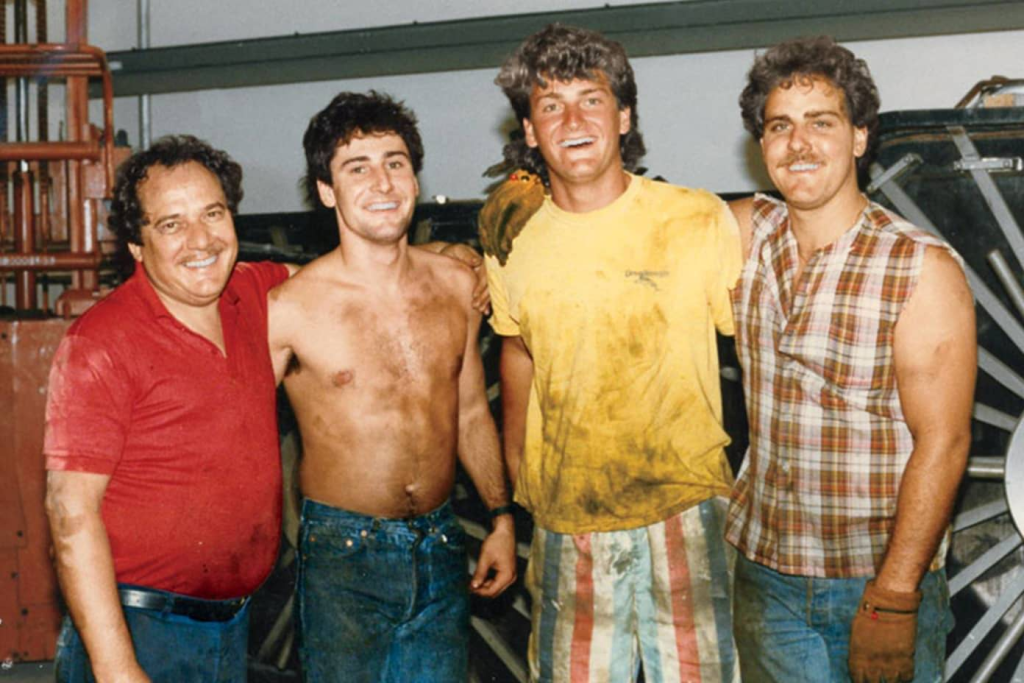
On March 16, 1966, in Anaheim, Southern California, Paul Van Doren, along with his brother James Van Doren, friends Gordon Lee and Serge Delia, founded the Van Doren Rubber Company.
Their first store was named “HOUSE OF VANS”. On opening day, they received orders from 12 people and were able to make and deliver orders on the same day. This efficient customization service foreshadowed the brand’s future success.
The perfect combination of skateboard and VANS
In the 1970s, skateboarding became increasingly popular among surfers. In Venice Beach, California, the skateboarding team Z-BOYS, formed from a split of the surfing group ZEPHYR, gained attention for their superior skills and stylish flair.
Back then, skateboarders always wore VANS sneakers. Their simple design, which pairs well with various outfits, combined with a sturdy upper and a sole providing excellent grip, made VANS the most suitable shoes for skateboarding.
The Evolution of Classic Footwear
VANS’ success is inseparable from its classic shoe models. In 1976, VANS signed with skateboarding godfathers Tony Alva and Stacy Peralta and launched its first shoe designed specifically for skateboarding—the VANS Era (originally named STYLE #95).
Then, in 1977, VANS launched its first shoe with a side stripe design, the Old Skool (originally named STYLE #36). This iconic “jazz stripe” is said to have been an irregular, flowing line drawn casually by founder Paul Van Doren.
In 1978, VANS launched its first high-top skateboarding shoe, the SK8-Hi, providing skaters with more ankle protection. What truly brought VANS into the public eye was the Slip-On model launched in 1979, especially the black and white checkerboard colorway, which became a hit after being worn by the male lead in the movie “Fast Times at Ridgemont High.”
03 PUMA: From the sports field to the streets
Unlike VANS’ humble beginnings, PUMA originated in the German athletic shoe industry in 1948, but eventually found its way to the streets as well.
The Evolution of Basketball Shoes: From Clyde to Slipstream
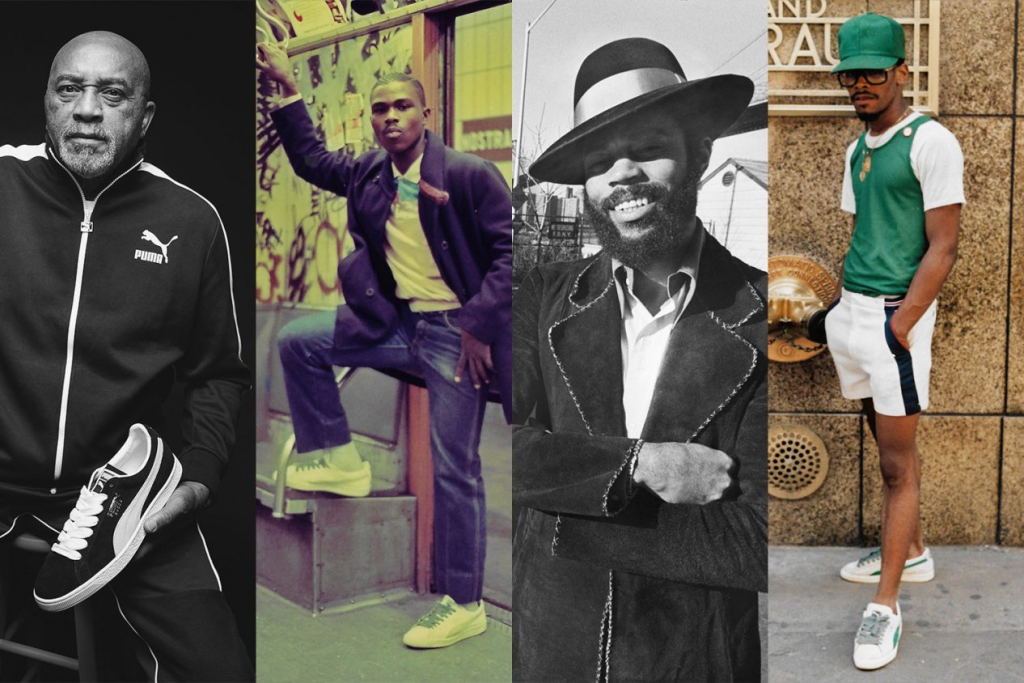
The PUMA Clyde, named after basketball player Walt Frazier’s nickname, represents the perfect fusion of sports and street style. Its clean lines, soft suede material, and stylish cut made this shoe a symbol of 1970s New York streets.
PUMA’s Slipstream was launched as a basketball shoe in the late 1980s, gaining attention for its external heel counter. The upper was made of premium nylon and leather, and it featured an anti-shock system and a PU footbed, making it a highly representative basketball shoe of that era.
From hip-hop to status symbol
In the 1990s, fashion trends gradually shifted towards street style and hip-hop culture, and basketball shoes also became fashionable, gaining popularity among many young people. The original Slipstream, beloved by Black rappers, became a status symbol—”having it means you’re qualified to be in this circle.”
04 The fusion of music and street life
The combination of streetwear brands and music venues has further solidified their position in youth culture.
In the mid-1970s, punk youths in New York and London primarily wore sneakers. Young punks who didn’t have much money at the time almost never wore expensive boots or dress shoes; instead, they wore sneakers.
Popular among punk artists include VANS’ Authentic and Old Skool. By the mid-1980s, VANS’ Old Skool had gained popularity within the extreme US Hardcore punk scene.
When the white hip-hop pioneers, the Beastie Boys, became mainstream, their favorite adidas CAMPUS became a popular shoe model. Meanwhile, rappers’ fondness for the PUMA Slipstream made this shoe an important symbol of hip-hop culture.
05 The Modern Evolution of Streetwear Brands
As time goes by, both VANS and PUMA face new challenges and opportunities.
Consumer demand in the fashion and trend sector has shifted. According to a report on the teen retail market released by the US investment bank Piper Jaffray, demand for streetwear brands is soaring, even taking market share from sportswear brands.
Among them, VANS and Supreme are the most representative streetwear brands. Globalization and digitalization have become new directions for the development of both brands. VANS maintains its brand popularity through strategies such as limited editions and collaborations, while PUMA launches products that appeal to young people’s aesthetics by collaborating with young designers and trendy brands.
Both brands have strengthened their online sales and social media marketing to adapt to the new consumer environment. Today, you can still see VANS’ Slip-On and PUMA’s Clyde on the streets of any major global city.
Conclusion: The Story of Shoe Soles
These shoes are more than just shoes; they are living fossils of street culture. From professional sports fields to street corners, from live music venues to fashion shows, these classic shoe styles have successfully traversed more than half a century, becoming a visual language for young people of different eras to express themselves and connect with one another.
The streets will never be silent; they have simply found another way to express themselves—hidden in every worn-out shoe sole, etched on every jazz stripe, and written in every checkerboard pattern.
https://www.asorry.com/the-ultimate-guide-to-puma-classics-heritage-versatility-and-style/