
https://www.asorry.com/global-sports-industry-at-a-critical-juncture-leadership-reshuffle-future-strategies/
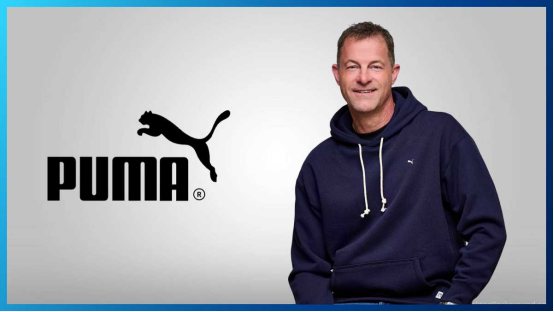
The sportswear market is experiencing a seismic shift. Recently, Puma abruptly announced the departure of CEO Arne Freundt, replaced by Arthur Hoeld, formerly Adidas’ global head of sales. This change not only shocked the industry but also highlighted a broader trend: a major executive reshuffle within international sportswear brands. What is driving these changes? What strategic considerations lie behind this shakeup?
Puma’s sudden personnel adjustments
Arne Freundt, a 14-year veteran of Puma, has been CEO since assuming the role in late 2022. He has driven numerous initiatives, including signing new fitness events, enhancing footwear performance, and launching the “Go Wild” global marketing campaign. While Puma’s revenue reached a record high of €8.6 billion in 2023, net profit fell to €282 million in 2024, falling short of market expectations. While the company’s official explanation was “strategic disagreements,” it’s clear that performance pressure and diverging strategic execution were key factors.
Arthur Hoeld’s successor boasts a remarkable resume. He spent 26 years at Adidas, overseeing global sales and marketing strategy. He was instrumental in the resurgence of classic shoe styles like the Stan Smith, Superstar, and Samba, and helped grow Adidas Originals into a division with annual revenue exceeding €7 billion. His combination of product expertise and brand culture marketing skills may be precisely the qualities that Puma’s board of directors valued.
The trend behind frequent executive turnover
Puma’s case is not an isolated one. In the past two years, brands such as Nike, Salomon, and Decathlon have all experienced executive changes:
Nike appoints Elliott Hill as new CEO, emphasizing a return to core sports culture.
Salomon introduced former Nike designer Nick Parkinson as creative director, targeting young people.
Decathlon , emphasizing digitalization and global expansion.
These changes indicate that sports brands have reached a crossroads of transformation in the global competition: digital transformation, youth strategies and cultural narrative capabilities are becoming more important life-and-death issues than “how many shoes are sold.”
What can Arthur Hoeld bring to Puma?
Hoeld’s appointment means Puma may accelerate adjustments in the following areas:
1. The “Second Revival” of Classic Shoes
Drawing on his experience in reviving shoes such as Samba at Adidas, Puma may rediscover the potential of classic items such as Suede and Clyde, and make them phenomenal products again through youthful marketing.
2. Strengthen the roots of the movement
Puma has a strong track and field and football heritage, and Hoeld is expected to strengthen these core businesses to highlight Puma’s professional sports DNA.
3. Create a linkage between culture and trends
He is very likely to expand cross-border collaborations with pop culture, artists, and celebrities to enable Puma to maintain its cultural influence among the younger generation.
4. Global market balance
Puma has long lagged behind Nike and Adidas in the North American market. Going forward, Puma may increase its investment in mainstream American sports like basketball and running to boost its market share.
The collective anxiety of global sports brands
Frequent personnel changes reveal a common concern: the traditional growth logic is failing. In the past, signing superstar endorsements and releasing hit shoes could drive sales, but today’s consumers prioritize resonating values and brand culture. Coupled with the rapid evolution of digital channels and the rapid shifts in young people’s preferences for trends, sports brands must constantly refresh their management teams to maintain market acumen.
To a certain extent, executives are no longer just “operators” responsible for performance, but also “directors” of brand narratives and culture shapers.
Conclusion: Is the big reshuffle an opportunity or a risk?
Puma’s leadership change may just be the beginning. As competition intensifies in the global sportswear market, frequent executive turnover will become the norm. The question is, can such a shakeup truly lead to transformation? Or is it just a short-lived PR stunt?
Perhaps the key lies in whether the new generation of leaders can truly understand consumers’ emotions and cultural expectations. After all, in this sportswear landscape, winning the recognition of young people is more decisive than simply seeing sales figures.
What do you think of Puma’s new manager? Is this frequent turnover in executives a good thing or a concern? Feel free to leave your thoughts in the comments section.
https://www.asorry.com/global-sports-industry-at-a-critical-juncture-leadership-reshuffle-future-strategies/